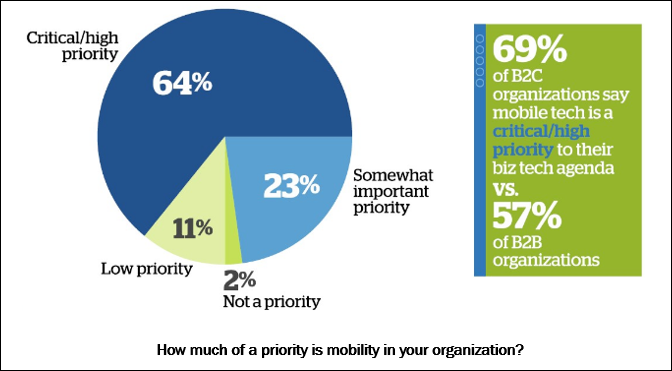
People love their smart devices. And they love being able to use them at work from remote locations. The 2015 IDG Enterprise Building the Mobile Enterprise Survey says that 64% of enterprises are making mobility a critical or high priority on their technology agendas today.
Having a strong mobility strategy may be one the best ways to empower your workforce. But the journey can be tricky if you don't identify and manage potential barriers to having a mobilized workforce. Let’s have a look at those barriers:
Read More
Topics:
enterprise mobility
It is no secret that businesses today benefit by making themselves accessible via mobile devices. Although the web has been an integral part of our lives for over two decades now, the advent of smartphones is compelling businesses to shift their focus to a mobile-first strategy. While such a move is sure to bring benefits, the shift requires web designers to refocus their efforts towards mobile. A mobile presence helps boost sales, retain loyal customers, and expand reach. The question is, which type of mobile presence is best for your business?
Read More
Topics:
enterprise mobility
If you already have an ERP in place, integrating mobile capabilities should be at the top of your to-do list. IDC expects that spending on mobile platforms and business applications will continue to rise as more firms put aside budget to pay for investments in those areas. Although mobile ERPs have become the norm, a lot can go wrong with new technologies without the right practices and policies in place. When you set up operations and use software to run the business, there are several factors to consider, and more importantly several pitfalls to avoid. Let's look at some of the mobile ERP implementation challenges and how you can overcome them:
Read More
Topics:
enterprise mobility,
ERP
Mobile technology has revolutionized how businesses operate and interact with customers. It influences every stage of the manufacturing process as well as the customer’s buying journey. With the proliferation of mobile devices and apps, billions of bytes of data are created each day that include countless videos and images, business transactions, geo-positioning information, and updates on social media. This data increasingly originates from and is consumed through mobile devices, leading to a year-over-year increase in mobile data traffic.
Read More
Topics:
enterprise mobility,
Thought Leadership
While many businesses struggle to keep up with frequent technology changes, concepts like bring your own device (BYOD) policies have flourished, encouraging employees to work on devices of their choice. Gartner says 40 percent of US employees in large enterprises use personally owned devices for work. The driving force behind BYOD is IT self-sufficiency among employees who already own and use personal laptops, tablets, and smartphones. These mobile devices are often newer and more advanced than the equipment provided by IT departments. It's not surprising that the rapid adoption of lightweight Ultrabooks, iPads, and large-screened smartphones are changing the way people want to work. The goal for your organization? Increased productivity and reduced costs.
Read More
Topics:
enterprise mobility,
Thought Leadership
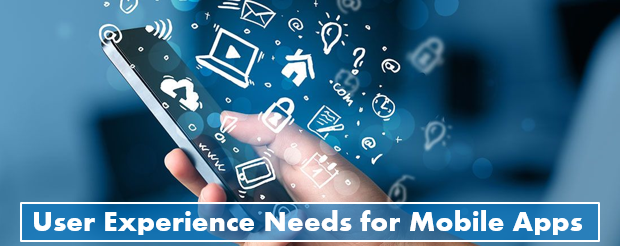
In today’s highly mobile world, using a mobile-first design approach is critical for businesses. Each time a user downloads a new app, the expectations are to make life simpler, solve problems efficiently and make your day a bit easier. In order to reach a large audience and to ensure substantial growth of your business, offering a delightful user experience across a wide range of devices is critical. Taking the effort to first sketch out your mobile strategy will go a long way in ensuring satisfied customers.
Read More
Topics:
enterprise mobility,
Thought Leadership
Collaboration has undergone an enterprise makeover in recent years. The market has emerged from casual social networking sites like Facebook and Twitter to networking platforms from reputable enterprise players like IBM, Oracle, and SAP. Enterprise-specific social networking has transformed from consumer tailored communication tools to full-fledged business collaboration platforms. As their features and capabilities continue to multiply, these enterprise platforms have the ability to replace not only Intranets, but also knowledge management systems and business portals.
Read More
Topics:
enterprise mobility,
Thought Leadership
Wearables. There are high chances you are wearing one right now. Gartner predicts that wearable market is forecast to grow from 70 million units in 2014 to 91 million units in 2016. And this includes not just smart watches but also smart glasses, fitness monitors, chest straps, and other smart garments. With the wearable buzz everywhere, you are probably wondering what the future looks like in consumer and business markets.
Read More
Topics:
enterprise mobility,
Thought Leadership
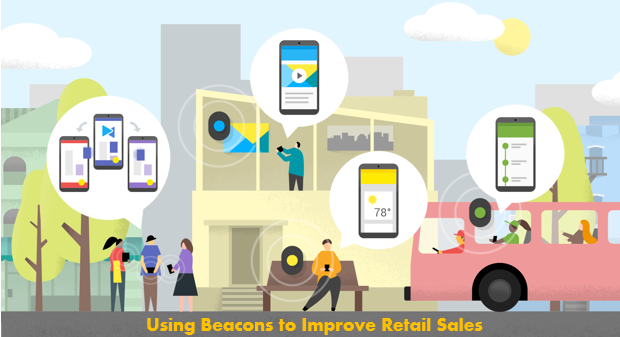
Imagine receiving a text message that welcomes you as you step into an Apple store, or looking at your phone for directions to your favorite product at Target, or receiving a reminder about the items you were checking out yesterday at Macy’s – beacon technology is changing the face of the retail industry. According to BI Intelligence, US in-store retail sales influenced by beacon triggered messages is set to increase from $4.1 billion in 2015 to $44.5 billion in 2016.
Read More
Topics:
enterprise mobility,
Thought Leadership
The invasion of smartphones has opened doors to a world of apps that have transformed daily lives. Apple, the first company to launch its own app store in July 2008, allowed users to browse the store and download apps directly onto their iOS devices. It wasn’t long before other companies, such as Google, Windows, and RIM, followed Apple’s footsteps and launched their own app stores.
Read More
Topics:
enterprise mobility,
Thought Leadership