








Dynamics 365, the next generation of intelligent business applications, is here.

Dynamics 365, the next generation of intelligent business applications, is here.
Topics: CRM, ERP, Microsoft Dynamics 365

As a manufacturer, managing your logistics and supply chain brings new challenges every day. From meeting customer demands for efficiency and improved margins, to effectively managing your routes and carriers – transportation requires accuracy, speed, and flexibility in order to improve compliance, minimize costs, and maximize resources.
Topics: ERP, Thought Leadership

Implementing an ERP system comes with many advantages – whether you use it for manufacturing, sales planning, or inventory management, an ERP system provides up-to-date, real-time information that enables your organization to seamlessly manage core business processes. When ERP systems were first developed, they were based on the generic need of various types of organizations across diverse business segments and geographies. As times (and technology) evolved, modern ERP systems started offering a plethora of functionalities, which can be overwhelming; enterprises are required to cherry pick suitable relevant components of the system and set up and align those components to meet their specific business requirements.
Topics: ERP

When you finally decide to implement an ERP system, you probably have numerous expectations: from believing the ERP system will solve all your organizational problems, to envisioning an immediate ROI – the list is endless. Although taking the first step in implementing an ERP is laudable, not setting realistic expectations of execution can be catastrophic. According to Panorama’s 2016 ERP Report, most companies struggle with setting the right ERP implementation timeline. 57% of organizations take longer than expected to implement their ERP systems – largely because they had unrealistic expectations in the first place. Miscalculations regarding budget, time, and resources early in the planning process is one of the primary causes for failed ERP implementations.
Topics: ERP

If your company is considering an ERP system (assuming you don't have one already or are looking for a shift), you’ve got plenty to choose from. As you weigh options, one of the most important decisions you will be making is whether to opt for a cloud-based ERP solution or one that's deployed on-premises. Although the cloud is one of the latest hot topics, with enterprises big and small around the globe rapidly adopting the technology to make the most of the benefits it offers, it is very important to understand limitations too. While Gartner predicts that by 2018, at least 30 percent of service-centric companies will move the majority of their ERP applications to the cloud, embracing the cloud just because everyone around you is can prove detrimental to your business. No matter how tempting the cloud appears, there are numerous factors that need to be considered when determining which ERP model best suits your business. Let's have a look:
Topics: ERP

If you already have an ERP in place, integrating mobile capabilities should be at the top of your to-do list. IDC expects that spending on mobile platforms and business applications will continue to rise as more firms put aside budget to pay for investments in those areas. Although mobile ERPs have become the norm, a lot can go wrong with new technologies without the right practices and policies in place. When you set up operations and use software to run the business, there are several factors to consider, and more importantly several pitfalls to avoid. Let's look at some of the mobile ERP implementation challenges and how you can overcome them:
Topics: enterprise mobility, ERP
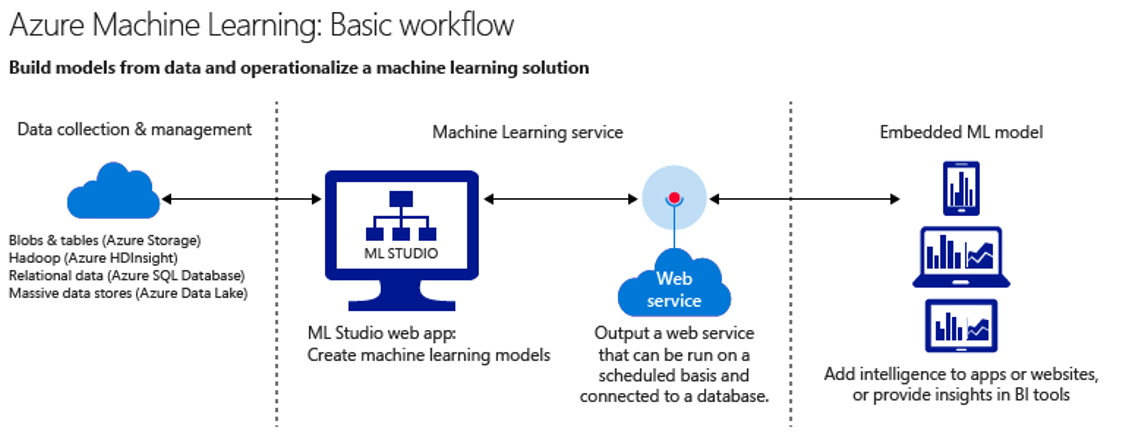
Machine learning is in high demand, as customers are progressively looking for ways to gather insights from their data. It is at the peak of the Gartner Hype Cycle for Emerging Technologies, 2015. It uses computers to run predictive models that learn from the existing data in order to forecast future outcomes, trends, and behaviors. Overall these forecasts make the apps and devices smarter.
Topics: ERP
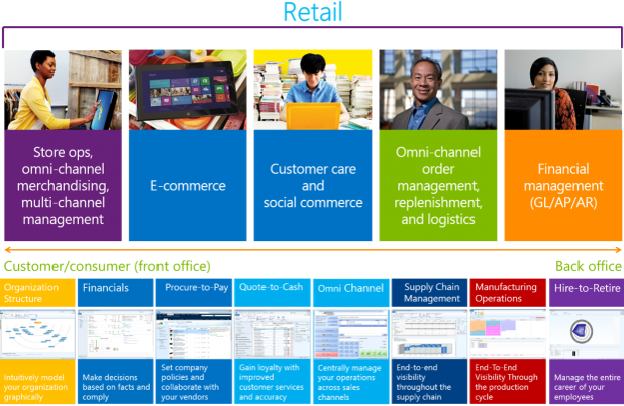
For retail companies, the advent of technology has meant multiple channels by which to reach the customer. An omnichannel approach allows your customer to browse and buy at their convenience, whether at a physical brick-and-mortar store, through social media, on a website, or via phone. E-commerce in particular is a key technology channel which not only allows you to sell directly to the customer, but also to deploy, manage, and customize so as to create an end-to-end experience from a business operations standpoint as well. Choose to build an e-commerce approach with an ERP like Dynamics AX, and then you are able to incorporate inventory, catalog management, reporting, and more – everything that departments across your company need to manage and operate smartly.
Topics: ERP
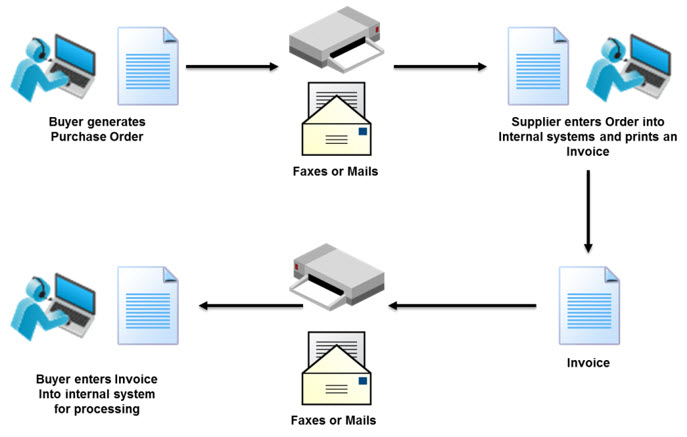
In the last two decades, the production and manufacturing industry has rapidly adopted an array of new concepts, ranging from just-in-time manufacturing, total quality management, lean production, and more. As manufacturers across the world use their own systems to manage diverse businesses, the disconnect between these systems mandates the need for a common protocol that enables seamless interaction. EDI (electronic data interchange), an internationally standardized process that has been in existence for decades, finds major applications in the supply chain space even today. EDI integrates incoherent systems, such as EDI integration with ERP, enhancing communication between various entities for timely delivery of goods and services to customers.
Topics: ERP

Depending on your industry, you likely have a specialized set of applications for different lines of business (LOB). Engineering systems, an SQL database for a certain division, a clinical health record application – all are LOB applications which power business operations. The sum of the parts of LOB systems creates a unique technology environment which makes your business tick differently (and hopefully more competitively) than others.
Topics: ERP, Thought Leadership

For global midmarket organizations, Indusa is an innovative technology partner that provides end-to-end enterprise software solutions and services to deliver business results: improve productivity, increase efficiency, and reduce costs. With offices in the United States and Asia Pacific, Indusa has a global team of experts to deliver transformative technology solutions to meet all of the needs of our clients from consulting to maintenance, in our core practices – Microsoft Dynamics AX, Microsoft Dynamics CRM, Microsoft SharePoint, Enterprise Mobility, Cloud Services, Microsoft Office and Project Pro, Business Intelligence, and Application Management.
US: +1 (630) 424-1800
India, Ahmedabad: +91 (79) 6682 4700
India, Pune: +91 (20) 4850 1100
E-mail: hello@indusa.com