




 By empowering medical staff and patients to take control of their own health, IoT is taking healthcare experience to the next level.
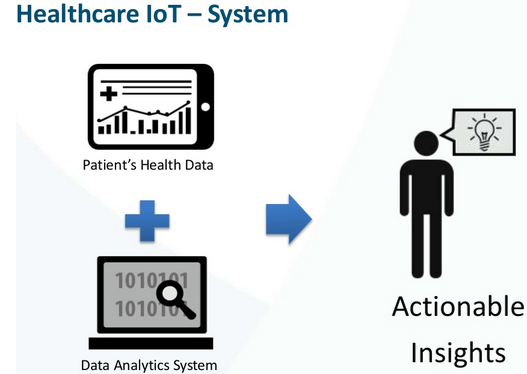
The latest data analytics help medical professionals develop actionable insights by studying patient’s health data collected through electronic medical records, and information gathered through imaging equipment and personal devices. These insights enhance the decision-making capability of healthcare professionals and enable patients to undertake a more active role in managing their personal wellbeing.
- Improve Patient Health with Smart Wearables: Data-driven, personalized analysis of patient health along with tailor-made strategies to combat illness enable patients to manage their own health. Wearable devices can monitor vital signs like heart rate, blood pressure, body temperature and other necessary readings such as glucose levels. You can receive this data over secure connections and take corrective actions when readings go outside the acceptable range. You can also alert family and friends in case of an emergency. Make use of this health-related information during follow-up visits and educate patients on better lifestyle choices.
- Make Well-informed Medical Decisions through Data Analytics: Now you can capture medical profile, vitals and other health related information of your patients through connected medical devices. You’ll be able to provide treatments to patients remotely with the assistance of portable devices. Capture data and analyze it to make well informed decisions on treatment types and prescribed medicines. Monitor patient health and proactively respond to concerns. You can also automate emergency responses and alert medical staff immediately, in the event of a medical emergency.
- Reduce Device Downtime through Remote Monitoring: By remotely connecting to the hospital, technicians can test and monitor IoT devices from anywhere. Connect from your current location and run diagnostics on a medical device that has failed. Identify root causes and provide hands-on support with the help of your field engineer. You can reduce service costs by placing fewer technicians at onsite locations and provide expert-advice remotely to manage and maintain critical healthcare machines. You can also proactively replenish medical supplies to avoid complete machine shutdown and ensure your patients are catered to in a timely manner.
- Monitor Integrity of Prescriptions through Sensor Technology: IoT can greatly help you in monitoring the integrity of your prescriptions. By placing sensors, you can monitor your medicine before and after arrival at the pharmacy to ensure they have not been tampered with. Additionally, you can alert patients to take their medication on time and take corrective, timely actions if too many pills have been taken.
- Ensure Security and Confidentiality of Patient Data: Confidentiality and security are paramount when it comes to patient data. When transmitting and syncing information between connected devices, it must be encrypted from end to end. Build two-factor authentication into IoT applications and safeguard critical medical data. Address and update legislative security requirements and global regulations on a periodic basis. Secure healthcare IoT from a global regulations standpoint by ensuring efficient transfer and storage of data.
The Future Belongs to IoT
With the market for IoT reaching billions of US dollars, there is an imperative need for IoT to be integrated into every aspect of health care to augment the overall patient experience. With IoT healthcare, you can effectively monitor and diagnose patient health, securely store and transfer critical patient data, incorporate intelligent healthcare devices and tools in your day-to-day operations and ensure all your emergency units and hospitals are connected and managed efficiently.
|
|
About the Author - Nisha Pillai Nisha Pillai is the Senior Project Manager(Enterprise Mobility) at Indusa. She is responsible for working with Senior Management to prepare business plans and Go-to-market strategies for mobility practice.
Contributing Writer: Neha Kumar |