





Microsoft’s mantra is to do great things and their newest ERP release is making a significant shift from past versions in order to accomplish this. The newest Microsoft Dynamics release, codenamed “AX 7”, will be taking full advantage of cloud computing in order to position itself as a powerful and versatile ERP system by running on Microsoft Azure, leveraging an HTML5 interface, and continuing its current Lifecycle Services functions. These three features will pave the path for ERP software to become more innovate and intuitive than ever before – starting with AX 7
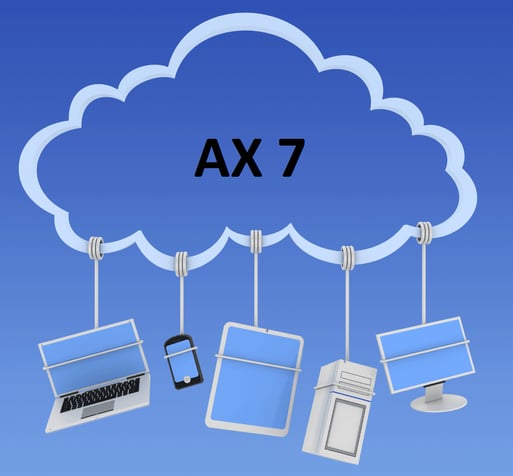
As businesses seek more options beyond on-premises for cost and speed advantages, Microsoft Dynamics AX is poising itself to take up the mantle with its new cloud deployment. While hybrid and on-premises deployments will still be available with AX 7, the software was upgraded with the cloud in mind. Future versions will almost certainly continue this trend, with the eventuality being that cloud computing will become – and remain – a core aspect of technology.
By creating its interface with HTML5, Microsoft has given Dynamics AX 7 a sleek look and feel without sacrificing the advanced functionalities users have come to rely on in AX 2012 R3. This interface augments its cloud capabilities as AX 7 will be able to run on virtually any device. This is good news for businesses looking to deploy AX 7, as it will enhance collaboration between employees by enabling them to work from anywhere, using any device.
This intuitive browser is one of many features that is complemented by the cloud, with the next being Lifecycle Services (LCS). This system leverages Azure to manage the entire implementation of AX 7, from its beginning, to go-live, and to post-implementation support. While this feature is run through Azure, it will also be available for hybrid and on-premises deployments of Microsoft Dynamics AX 7. This will ensure that IT resources are being allocated properly and ultimately reduce strain on organizations. This symbiotic relationship between AX 7, Azure, and LCS will streamline the implementation process – which has often been one of the most difficult aspects of deploying enterprise software.
“Lifecycle Services will provide AX 7 users with increased transparency during the implementation process,” said Manoj Nair, senior project manager, Indusa. “A hosted solution provides client users with seamless upgrades and reduces their dependency on internal IT resources, as well as increasing the return on investment and reducing the total cost of ownership. This feature is therefore extremely beneficial to end users.”
Microsoft Dynamics AX 7 represents a powerful change for Microsoft Dynamics and ERP systems in general. The shift towards cloud computing represents the evolution of ERP, moving from the archaic systems of the past towards a more efficient and modern approach to software. By leveraging cloud technology, Microsoft has ensured that their newest release in the Dynamics AX family will become an innovative contender in the ERP software landscape.
Since the release of this blog post, MS has decided to no longer refer to it as AX7 but rather AX to reflect their decision to have simplified branding to reflect that this is a cloud-based service that will be regularly updated.

|
|
About the Author - Sarah Van Wambeke Sarah is an avid writer and digital media enthusiast. Here at Indusa, she primarily focuses on content creation and social media management. . |