



Although ERP implementation projects offer numerous benefits, they typically carry a certain degree of risk, as any ERP solution would. According to Gartner, approximately 75% of all ERP projects fail. This is largely due to implementation issues rather than the product itself. Inadequate budget, lack of disciplined project management, low involvement of important decision makers, lack of preparedness, and implementations done by inexperienced professionals are some of the reasons for costly ERP implementation failures. So how does one overcome such challenges and ensure a positive outcome? Let’s look at some of the success strategies that are essential if you are taking the ERP plunge:

Topics: ERP
While many businesses struggle to keep up with frequent technology changes, concepts like bring your own device (BYOD) policies have flourished, encouraging employees to work on devices of their choice. Gartner says 40 percent of US employees in large enterprises use personally owned devices for work. The driving force behind BYOD is IT self-sufficiency among employees who already own and use personal laptops, tablets, and smartphones. These mobile devices are often newer and more advanced than the equipment provided by IT departments. It's not surprising that the rapid adoption of lightweight Ultrabooks, iPads, and large-screened smartphones are changing the way people want to work. The goal for your organization? Increased productivity and reduced costs.
Topics: enterprise mobility, Thought Leadership
5 Technology Trends That Are Revolutionizing Manufacturing
As new innovations come into play, manufacturing has continually reinvented itself in order to stay up to date with the latest trends and technologies. These advances have enabled manufacturers to be smarter, faster, and more efficient – however, it is easy to fall behind your competition in this rapidly changing landscape. Oftentimes, technology advances faster than businesses can adapt, leaving many manufacturers scrambling to find the best solutions for their individual business needs before they fall too far behind their competition.
Here are five technology trends that are changing the way manufacturers think and operate:
3 Ways Dynamics CRM 2016 Analytics Will Take you to the Next Level
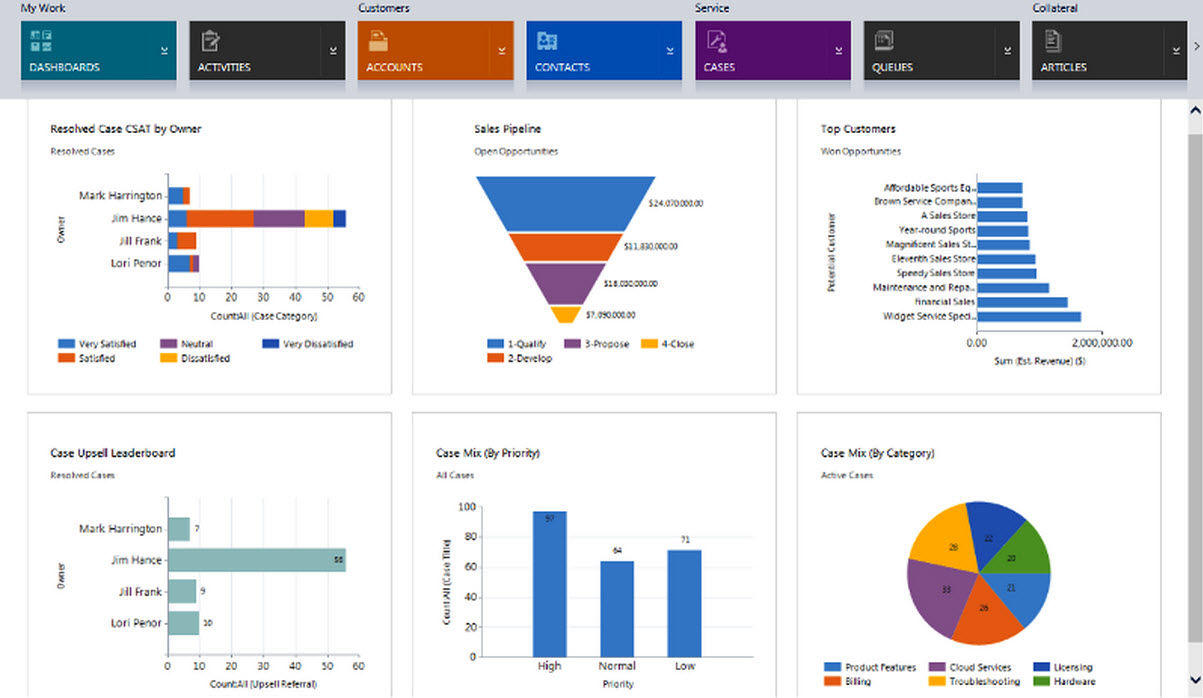
CRM systems help sales, marketing, and service professionals manage their customers better. But imagine if you could also proactively predict customer trends, identify patterns, and deliver services in a personalized manner. With customer analytics, that’s now possible. Customer analytics enables you to gain important and actionable insights into trends and design and implement a range of customer service enhancement initiatives across the organization. By tracking customer behavior and improving operating margins, you can identify high-impact opportunities and restructure operations to improve visibility across all touchpoints. Additionally, you can define a framework to manage customer-centric metrics that reinforces your organizations’ brand value proposition. Unfortunately, a paltry 15 percent of organizations use analytics to drive objectives. How do you leverage analytics to deliver a personalized, predictive, and proactive experience?
Topics: CRM
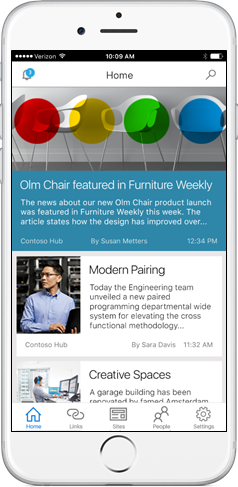
Microsoft recently announced the release of SharePoint Server 2016 as well as some new changes to SharePoint, calling it “simple, intelligent, and untethered.” They are adopting a “cloud-first, mobile-first” strategy, mirroring their recent changes to Dynamics AX – which has also adopted a cloud-first approach. “SharePoint Server 2016 is a rock-solid release,” said Seth Patton, General Manager, SharePoint and OneDrive, Microsoft. “It’s the most reliable, scalable, high-performance release that we’ve done. It takes the learnings that we have from running SharePoint online in our data centers at scale and brings those learnings to our server customers.”
While SharePoint 2016 has on-premises, cloud, and hybrid offerings, SharePoint Server 2016 will lay the groundwork for organizations to have the flexibility to transition towards the cloud as technology advances their business processes. Currently, more than 200,000 organizations use SharePoint – 40% of which are SharePoint Online users, with 60% of new users implementing SharePoint Online. While a large portion of businesses are still using SharePoint server, it has become apparent that the Future of SharePoint will rely heavily on cloud technology.
Topics: Microsoft SharePoint
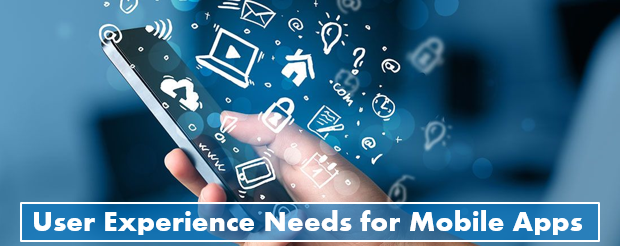
Simple, Elegant and Intuitive – User Experience Needs for Mobile Apps
In today’s highly mobile world, using a mobile-first design approach is critical for businesses. Each time a user downloads a new app, the expectations are to make life simpler, solve problems efficiently and make your day a bit easier. In order to reach a large audience and to ensure substantial growth of your business, offering a delightful user experience across a wide range of devices is critical. Taking the effort to first sketch out your mobile strategy will go a long way in ensuring satisfied customers.
Topics: enterprise mobility, Thought Leadership
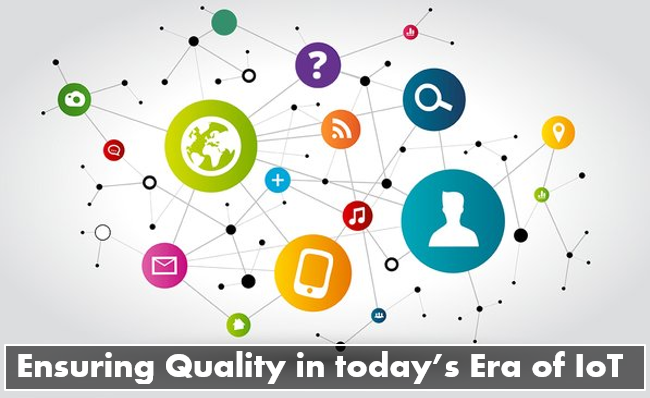
With sensors embedded everywhere, the world is becoming far more connected than ever before. From smartwatches and thermostats, to security systems, home appliances, and other evolving connected devices, the IoT world is moving past computers, tablets, and smartphones to just about every device you can imagine. The demand for connected devices is rising in unthought-of numbers, transforming the way we see, hear, and feel the world.
Topics: QA/Testing, Thought Leadership
New Features in Office 2016, Transforming Your O365 Experience
From the shift from isolated cubicles, away from colleagues and peers, to an open office floor plan with shared desks, workplace dynamics have truly transformed over the years. More emphasis is given to teamwork and shared communication for improved workplace productivity. A similar trend is transforming the enterprise technology space – employees have progressed from working on individual, isolated desktops to having collaborative sharing and communication through MS Office, Outlook, SharePoint, and the Cloud. Devices are connected, disparate applications exchange information with each other, and everyone is encouraged to use digital tools to work more closely with our peers.
Topics: Office 365
Software development is a costly and time-consuming endeavor for virtually any company. Setbacks or unexpected delays can oftentimes hinder the development process even further, resulting in lost time, money, and credibility. Numerous challenges can hinder the development process, including difficulties in QA testing and debugging, trying to hire new employees or unexpected departures of existing team members, running out of funding or going over budget, while ensuring your design and interface are both responsive and intuitive. By utilizing strategic support during your software development process, you can streamline processes and performance – resulting in on-time delivery and increasing the quality of the product.
While individual needs will vary from organization to organization, there are several aspects of development that can easily be delegated to a partner organization in order to ensure optimal results. Some of these areas are:
Topics: Software Development
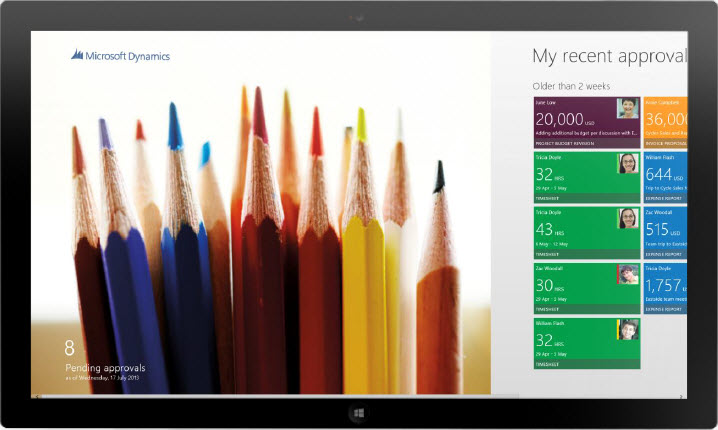
The advent of innovative technologies and the exponential growth of mobility is compelling businesses to offer seamless experiences across form factors. ERP vendors are making major strides in facilitating new scenarios for users to work with hand-held devices by offering mobile capabilities that focus on improving employee productivity while on-the-go thus enabling them to stay connected to processes round-the-clock. In addition, you benefit from improved quality of service, stronger business relationships, and more precise data capture. Let’s look at a few scenarios and see how mobile ERP capabilities are providing immersive, engaging and action-oriented experiences in the workplace:
Topics: ERP, Thought Leadership