



Most people have heard of SharePoint. In fact, in 2013, Midsize Enterprise Summit’s survey of 100 CIOs rated SharePoint as the top collaboration tool. But not everyone knows the full potential of what SharePoint can do for them and their organization. From creating an intranet or extranet site, to using it as a content management system – there are countless possibilities available in SharePoint, depending on your business needs. Designing, developing, and implementing SharePoint, however, is no small task. It can be a complicated and time-consuming process, putting strain on your internal IT structure and staff.

Convenience and Strategy of Using SharePoint Consultants
Topics: Microsoft SharePoint
Your Privacy No Longer Exists – It was Traded for Better User Experience
As more and more people are using the Internet to perform day-to-day tasks, confidential information and personal choices can be registered in a number of ways. With rampant technology invasion, user data is prone to privacy attacks. Anthem, a major health insurance firm in the US, witnessed a major data breach in 2014 where hackers got access to names, social security numbers, addresses and phone numbers of over 8.8 million Anthem customers, putting their personal information at risk. Social networking sites like Facebook have been ridiculed at length about their weak security settings.
Topics: Technology, Thought Leadership
Field Service Apps: Empowering Your Employees and Customers Alike
Using innovative technology is one of the easiest ways to increase customer satisfaction – and, as we all know, more satisfied customers leads to more revenue. Field service apps, used on smart phones or tablets, are a simple and efficient way to improve the flow of your business, especially when employees need on-the-go access to information while in the field.
Topics: enterprise mobility
Moving From JD Edwards to Microsoft Dynamics – The TCO Advantage
Topics: ERP
Topics: enterprise mobility, Thought Leadership
It’s 2015: Do You Know Which Era Your ERP Architecture is From?
Both a blessing and a curse of technology is that it’s constantly outpacing itself. What that means for your ERP, however, is that the underlying technology powering the system may be woefully outdated.
Take the instance of JD Edwards World, which was built in the 1980s or JD Edwards EnterpriseOne, which was built in the 1990s, during the dawn of the client-server era. Much has changed and evolved since then, yet these ERPs were built in a time and place where the technology landscape looked vastly different. On the other hand, modern ERPs are offering a completely different technology architecture, making integration, upgrades, and customization much more attuned to today’s business needs.
Topics: ERP
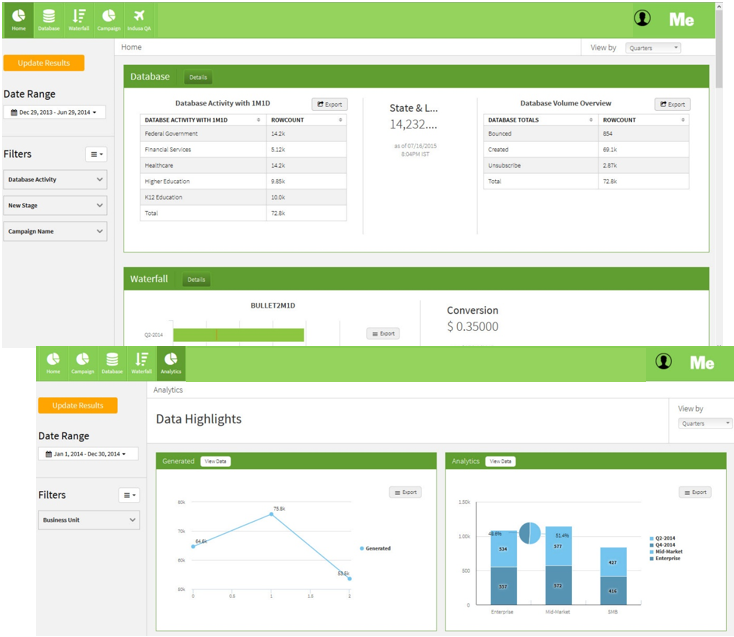
Developing Marketing Software: A Deep Dive Into Analytics
Topics: Thought Leadership, Marketing
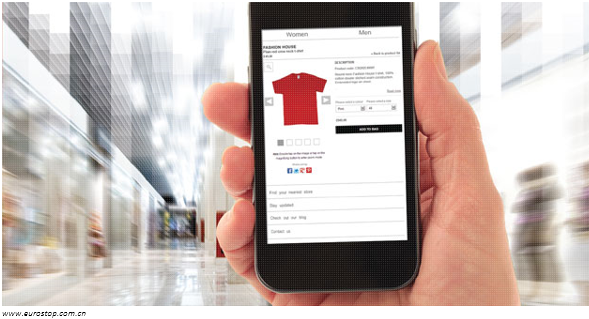
Worldwide sales for the retail industry in 2014 is $22 trillion and growing. It is more important than ever for retailers to deliver amazing experiences to customers and stay ahead of competition. Customer relationship management (CRM) software can be used by almost any industry, but comes with several unique qualities that optimize performance for the retail sector.
Topics: CRM
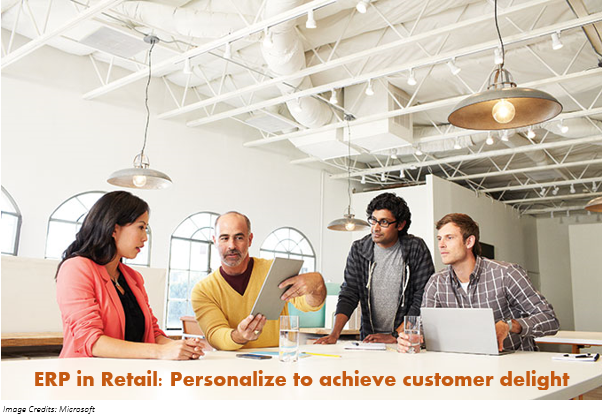
The retail industry is in a state of continuous metamorphosis. Retailers are becoming more global, while dealing with an increasing number of sales channels and logistics alternatives. Software systems, like enterprise resource planning (ERP), help retail organizations utilize modern technologies to support a more collaborative model that enables them to work better with various stakeholders and improve customer satisfaction. IDC predicts that by 2017, three times as many retailers will succeed in explicitly pinning their customer and operations strategies on third-party platform technologies.
Topics: ERP
Topics: QA/Testing, Thought Leadership